









A noisy bedroom can make even the best bedtime routine feel impossible. Whether it's a snoring partner, traffic outside, or early morning birds, sometimes all you need is a little less noise.
If you're comparing silicone vs foam earplugs for sleep, the biggest difference isn't just how much sound they block—it's how they feel after a full night's rest.
In this guide, we'll compare both options, explain where each one shines, and help you choose the pair that's best suited to the way you sleep.
Key takeaways
✓ Foam earplugs are designed for very noisy environments.
✓ Silicone earplugs prioritize comfort and reusability.
✓ Side sleepers often prefer softer materials that reduce pressure.
✓ The best earplugs are the ones you'll actually wear every night.
Foam vs silicone earplugs: what's the difference?
Both foam and silicone earplugs are designed to reduce unwanted noise, but they work in different ways. Understanding how each type fits and feels can help you choose the right option for your nightly routine.
How foam earplugs work
Foam earp lugs are made from soft, expandable material. Before inserting them, they're rolled into a thin cylinder and placed inside the ear canal, where they slowly expand to create a seal.
Because they sit deeper in the ear, foam earplugs generally provide stronger passive noise reduction. That's why they're often chosen for especially loud environments, from busy flights to construction sites.
For some people, though, that expanding pressure becomes more noticeable after several hours—particularly when sleeping on one side.
How silicone earplugs work
Silicone earplugs create a gentle seal with soft, flexible materials that adapt to the natural shape of your ear, rather than expanding inside the ear canal.
Reusable sleep earplugs made from silicone are designed to be worn night after night, offering a balance between everyday noise reduction and lasting comfort.
Many people find silicone earplugs feel less intrusive than foam, making them easier to wear throughout the night.
Foam vs. Silicone Earplugs at a Glance
Both options can help create a quieter sleep environment. Foam earplugs generally reduce more sound, while reusable silicone earplugs prioritize comfort and long-term wear. The best choice depends on your sleep environment and what helps you rest most comfortably.
Why side sleepers often prefer silicone earplugs
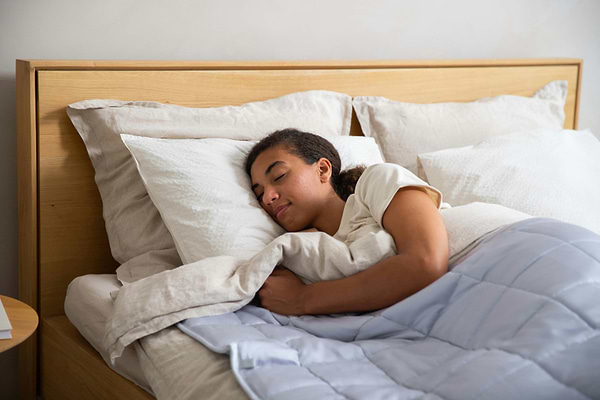
Sleeping on your side changes the way earplugs feel. Once your head rests on the pillow, constant pressure is applied to one ear, making comfort just as important as noise reduction.
Less pressure on the ear during sleep
Because foam earplugs expand inside the ear canal, some side sleepers notice pressure or soreness after several hours.
Silicone earplugs are generally designed with flexibility in mind. Soft silicone adapts naturally to the ear, creating a secure fit without the same feeling of outward pressure.
For many side sleepers, that difference can make bedtime noticeably more comfortable.
A more comfortable fit for changing positions
Few of us stay perfectly still until morning.
Whether you switch sides during the night or occasionally sleep on your back, comfortable earplugs should move with you instead of becoming something you constantly notice.
Soft silicone and a lightweight design make reusable silicone earplugs easier to forget you're wearing them, helping you focus on what matters most: getting a good night's rest.
When foam earplugs may still be the better option
Foam earplugs still have their place.
If you're trying to soften particularly loud sounds—such as overnight construction or constant traffic—foam earplugs generally offer stronger noise reduction than silicone.
For quieter bedrooms or everyday use, many side sleepers find silicone sleep earplugs to be the more comfortable choice.
Sleep comfortably with Orbit Earplugs
The best earplugs are the ones you'll actually want to wear every night.
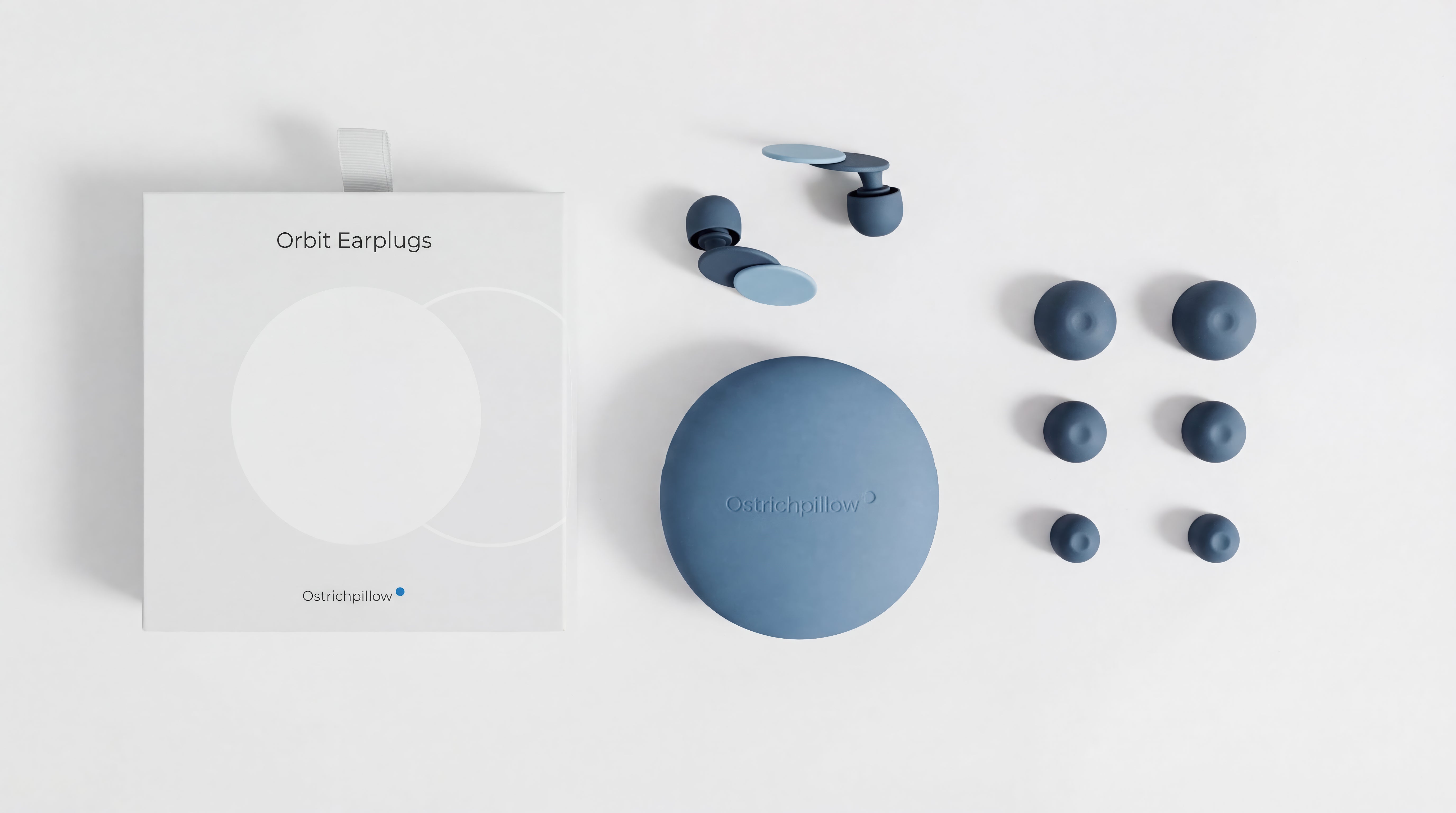
Orbit Earplugs were designed around that idea. Soft silicone ear tips available in multiple sizes help create a secure yet gentle fit, while their reusable design makes them an easy addition to your bedtime routine—whether you're sleeping at home, traveling, or simply looking for a little more quiet at bedtime.
Comfort vs noise reduction: finding the right balance
It's easy to assume more noise reduction always means better sleep. In reality, comfort plays just as important a role.
After all, earplugs only help if you enjoy wearing them.
Which earplugs block more noise?
Foam earplugs generally reduce more sound because they expand to fill the ear canal.
If you're sleeping in an especially noisy environment, foam earplugs can be a good option. That said, no earplug eliminates every sound completely. Even with a high Noise Reduction Rating (NRR), some sounds and vibrations will still come through.
Which earplugs feel more comfortable overnight?
For many people—especially side sleepers—comfort becomes the deciding factor.
Silicone earplugs create a gentle seal without the expanding pressure associated with foam. Softer materials and an ergonomic shape help reduce irritation, making them easier to wear throughout the night.
If you've ever removed your earplugs halfway through the night because they felt uncomfortable, switching materials may make all the difference.
Finding the right balance for your sleep environment
Every bedroom is different.
If loud, unpredictable noise is your biggest challenge, stronger noise reduction may be worth prioritizing.
But if you're looking to soften everyday sounds—like a snoring partner, nearby traffic, or early morning activity—a comfortable pair of reusable sleep earplugs may help you rest more consistently over time.
Can you sleep with earplugs every night?
For many people, earplugs become part of their bedtime routine.
The key is choosing a pair that fits well, feels comfortable, and is cared for properly.
Are reusable earplugs designed for daily use?
Yes. Many reusable models are specifically designed for regular use.
Unlike disposable foam earplugs, reusable silicone earplugs can be cleaned and worn repeatedly, making them a practical option if you rely on earplugs night after night.
How to keep your earplugs clean
Keeping reusable silicone earplugs clean helps maintain both comfort and performance.
Wash the ear tips with warm water and mild soap, allow them to dry completely, and store them in their case between uses.
When should you replace your earplugs?
Even reusable earplugs don't last forever.
If the silicone tips become worn, lose their shape, or no longer create a comfortable seal, it's time to replace them. Regular inspection helps ensure they continue to fit comfortably and perform as intended.

Which Earplugs Are Best for You?
There's no one-size-fits-all answer.
The right choice depends on the kind of noise you're trying to soften, how you sleep, and what feels comfortable enough to become part of your nightly routine.
|
Choose foam earplugs if...
|
Choose silicone earplugs if...
|
Our recommendation for side sleepers
If you're looking for the best earplugs for side sleepers, reusable silicone earplugs are often the more comfortable choice.
Foam earplugs remain a practical option when stronger noise reduction is needed, but for everyday use many people find that comfort makes the biggest difference. The best earplugs are the ones that become part of your routine without getting in the way of a good night's sleep.
Frequently Asked Questions
Can earplugs help if your partner snores?
Yes. Earplugs can soften the sound of snoring, making it less disruptive while you sleep. While they won't eliminate every sound completely, they can help create a calmer bedtime environment.
How do you clean reusable silicone earplugs?
Wash the silicone ear tips with warm water and mild soap after use. Let them dry completely before storing them in their case.
What Noise Reduction Rating (NRR) is recommended for sleeping?
There's no single NRR that's right for everyone. If your bedroom is only moderately noisy, comfort may be more important than choosing the highest possible rating. In louder environments, a higher NRR can provide additional sound reduction.
Can you hear your alarm while wearing earplugs?
Often, yes. Earplugs are designed to reduce sound—not eliminate it entirely. Many people can still hear alarms and other important sounds, especially if they're nearby.
How long do reusable silicone earplugs last?
With proper care, reusable silicone earplugs can last for months. Replacing worn ear tips helps maintain both comfort and a secure fit.